
Cursive and Handwriting at ICA: A Skill That Serves Students All Day, Every Day
In a classroom, handwriting is not a small thing. It is how students show their thinking in math, explain what they observed in science, take notes in religion and history, and draft, revise, and publish in language arts. Writing is everywhere.
When handwriting is laborious, children spend too much energy on forming letters and too little on what they are trying to say. When handwriting becomes fluent, their ideas come through more clearly, and they carry themselves with more confidence.
That is why Immaculate Conception Academy treats cursive and handwriting as a core skill, not an afterthought.
At ICA, students begin cursive in third grade, and handwriting is supported across the curriculum, plus a dedicated handwriting class through eighth grade. We put time and care into this because we see what it gives students, academically and personally. ICA also names cursive handwriting as an essential skill and connects it to hand eye coordination, cognitive development, and habits like patience and attention to detail.
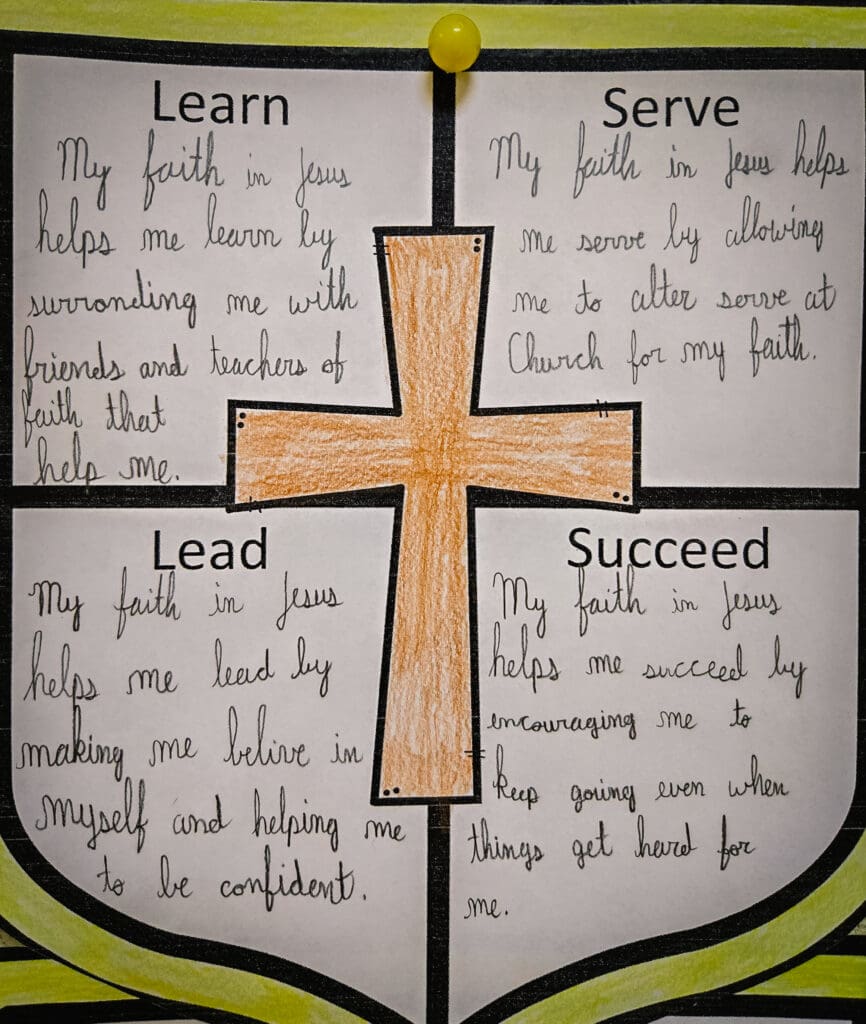
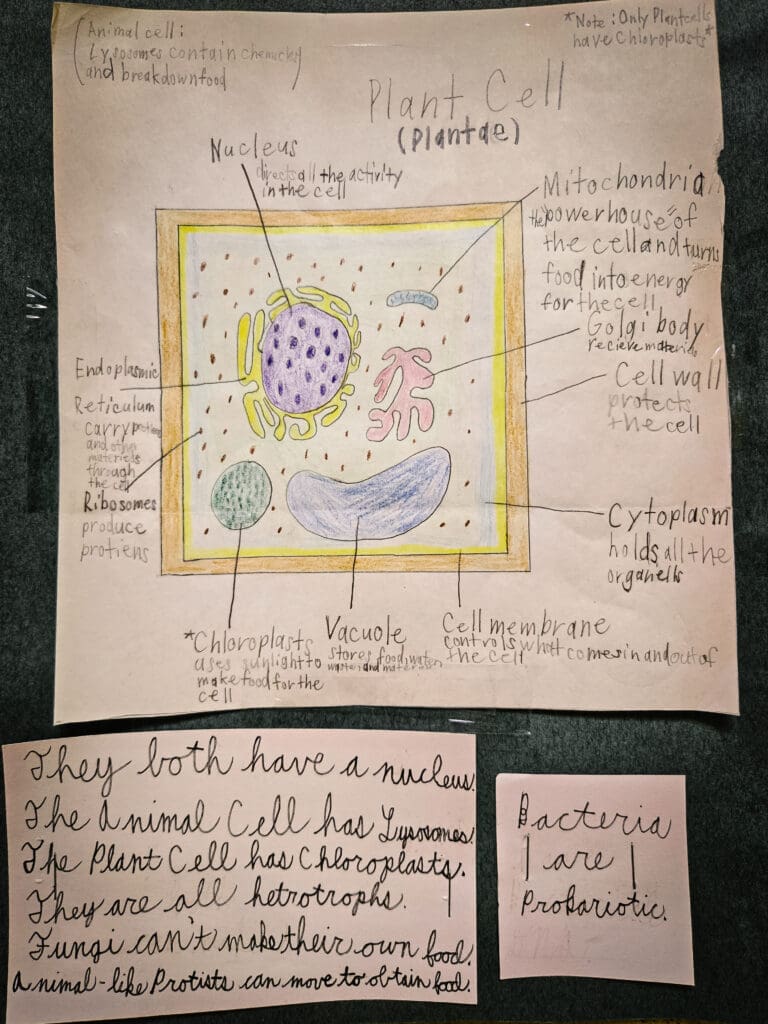
When handwriting becomes automatic, students stop fighting the pencil and start focusing on their thinking.
Why handwriting and cursive still matter
As teachers, we can tell when a student is working twice as hard just to get words on paper. You see it in the tight grip, the frequent erasing, the unfinished responses. The goal is not perfect penmanship. The goal is fluency so students can keep up with their own minds.
A growing body of research supports what many educators observe.
Handwriting supports learning and memory
A high density EEG study found that writing by hand, including cursive, is linked with brain activity patterns associated with learning and memory, and the authors argue that students should be exposed to handwriting in school.
Writing by hand can support deeper thinking than typing
In a widely cited set of studies on note-taking, students who wrote longhand performed better on conceptual questions than students who typed, in part because typing encourages copying while handwriting encourages processing.
What ICA’s approach gives students from third grade through eighth grade
Stamina and confidence across subjects
By the time students are writing longer responses and managing more complex assignments, they have the comfort and endurance to do it without fatigue becoming the main story.
Clearer work, especially when it counts
Legible, fluent handwriting helps on timed work, tests, and everyday class assignments. Teachers can read what students mean. Students can reread their own notes and study from them.
Stronger habits of attention
Handwriting slows students just enough to organize thoughts and stay engaged. That matters when students are listening, taking notes, and trying to make meaning, not just capture words.
A practical, lifelong skill
Students learn to read cursive, write with confidence, and sign their names without hesitation. These are small things that build independence.
What handwriting looks like at ICA
We start in third grade with clear instruction in letter formation and connections. Students practice the right way from the beginning, with encouragement and consistency.
From there, handwriting continues through eighth grade, both in a dedicated handwriting class and in daily work across subjects. That repetition is the key. Students are not practicing in isolation. They are using handwriting to learn, to communicate, and to take pride in the work they produce.
ICA’s academics describe cursive as an essential skill and emphasize the broader benefits of practicing it with care.
The takeaway
Cursive is not about going backward. At ICA, it is one of the ways we help students move forward with strong literacy skills, confident communication, and habits that support learning in every classroom.
Leave a Reply